What is a Packaging Sample?
Sample Packages
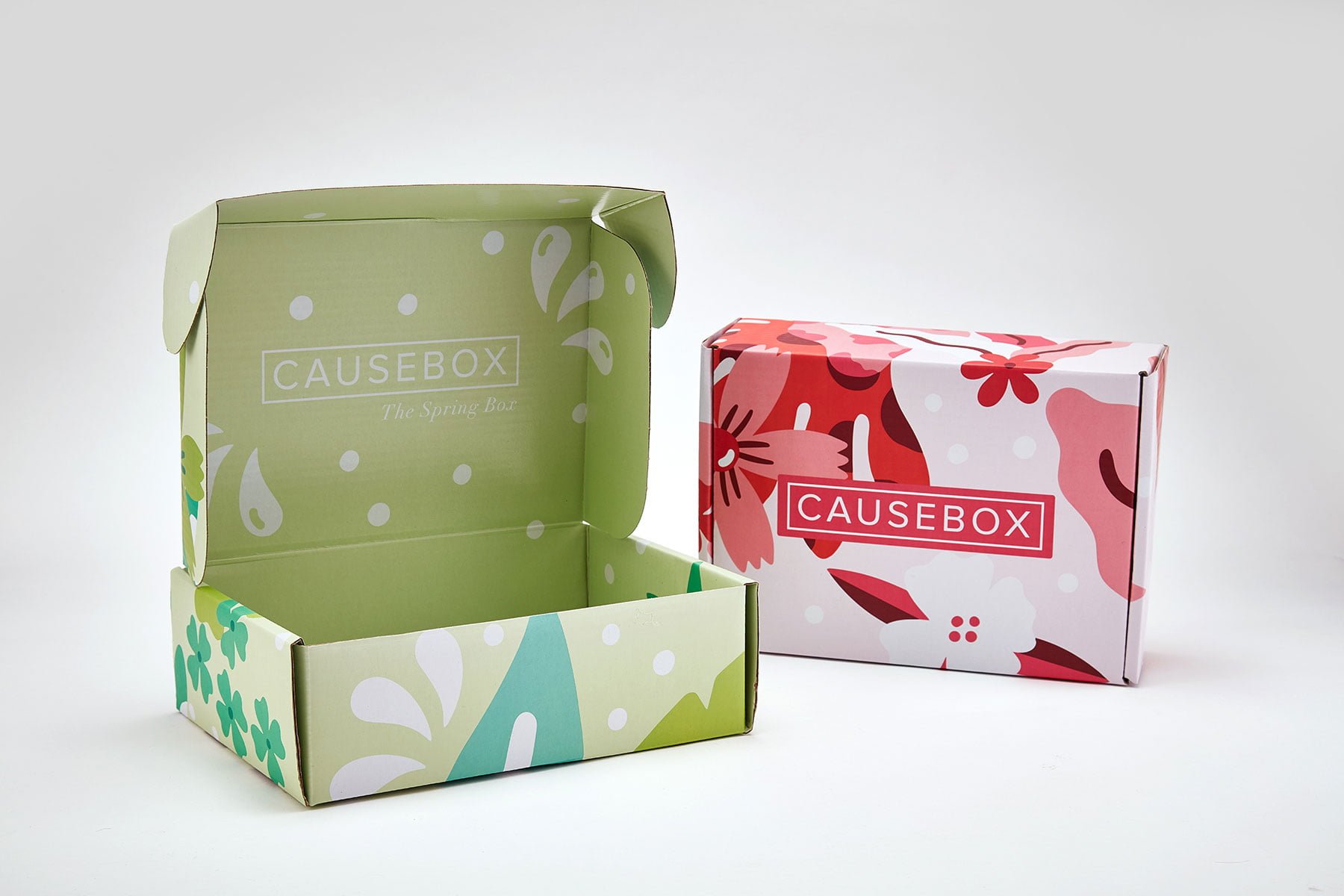
A packaging sample is a basic prototype that gives businesses a sense of materials, proportions, and aesthetics before they commit to a full order. Sample packages vary in terms of sophistication, budget, and timeline.
In addition to a quality sample package, you should also consider a pre-production or factory sample. Impress a prospective client with fully-rendered sample packaging that looks identical to the final product.
Sample Packages
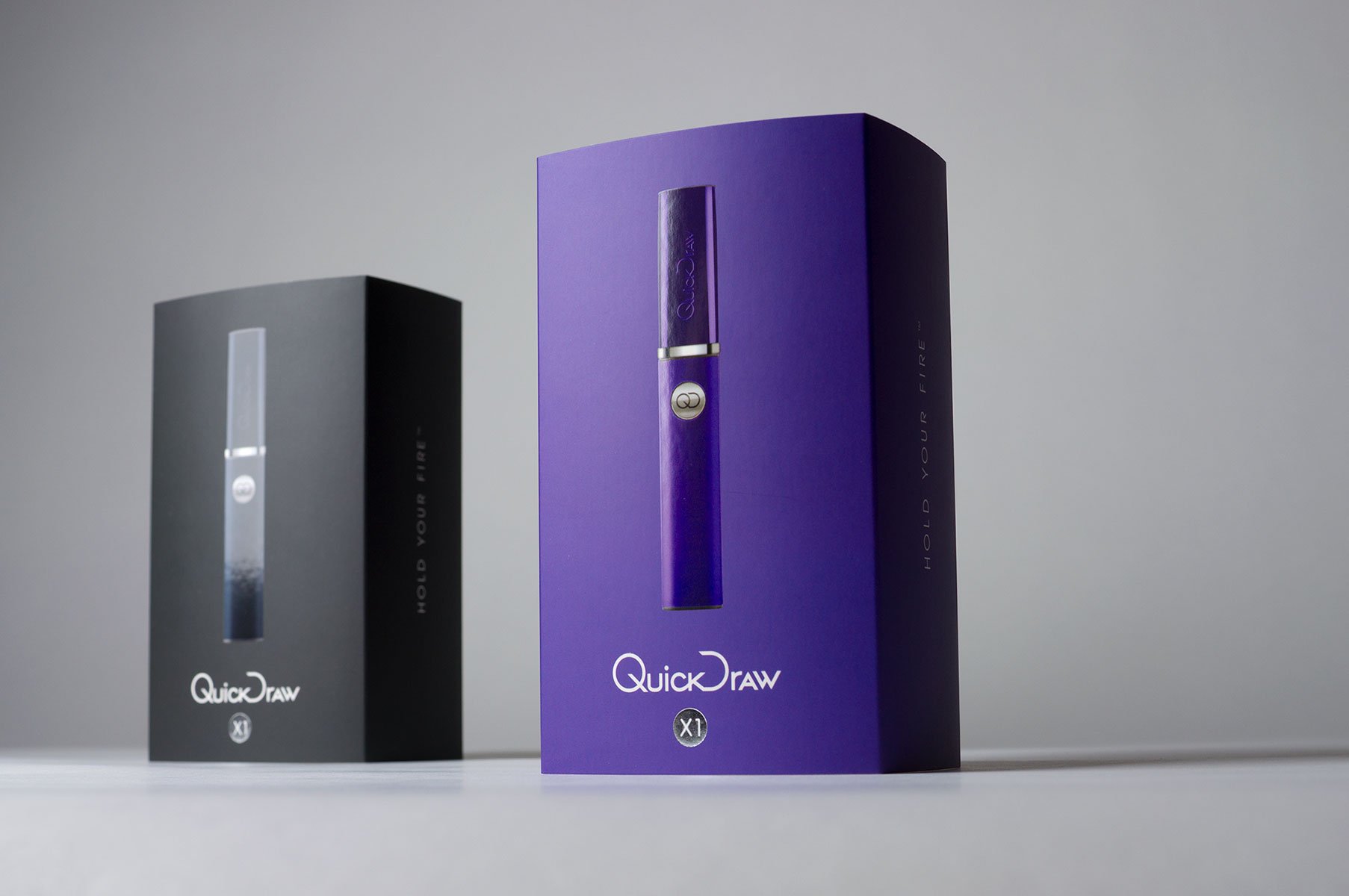
Factory samples require more lead time. Many companies require months for high-quality factory samples, though some companies have on-site technology so they can deliver in 2-3 weeks from the first consultation.
If you have a pitch in a matter of days and only need a rough example of your final sample package, a digital printed sample might be the best choice. Although it won’t have the professional finish of a factory sample, digital printed samples give a good sense of dimensions and basic design.
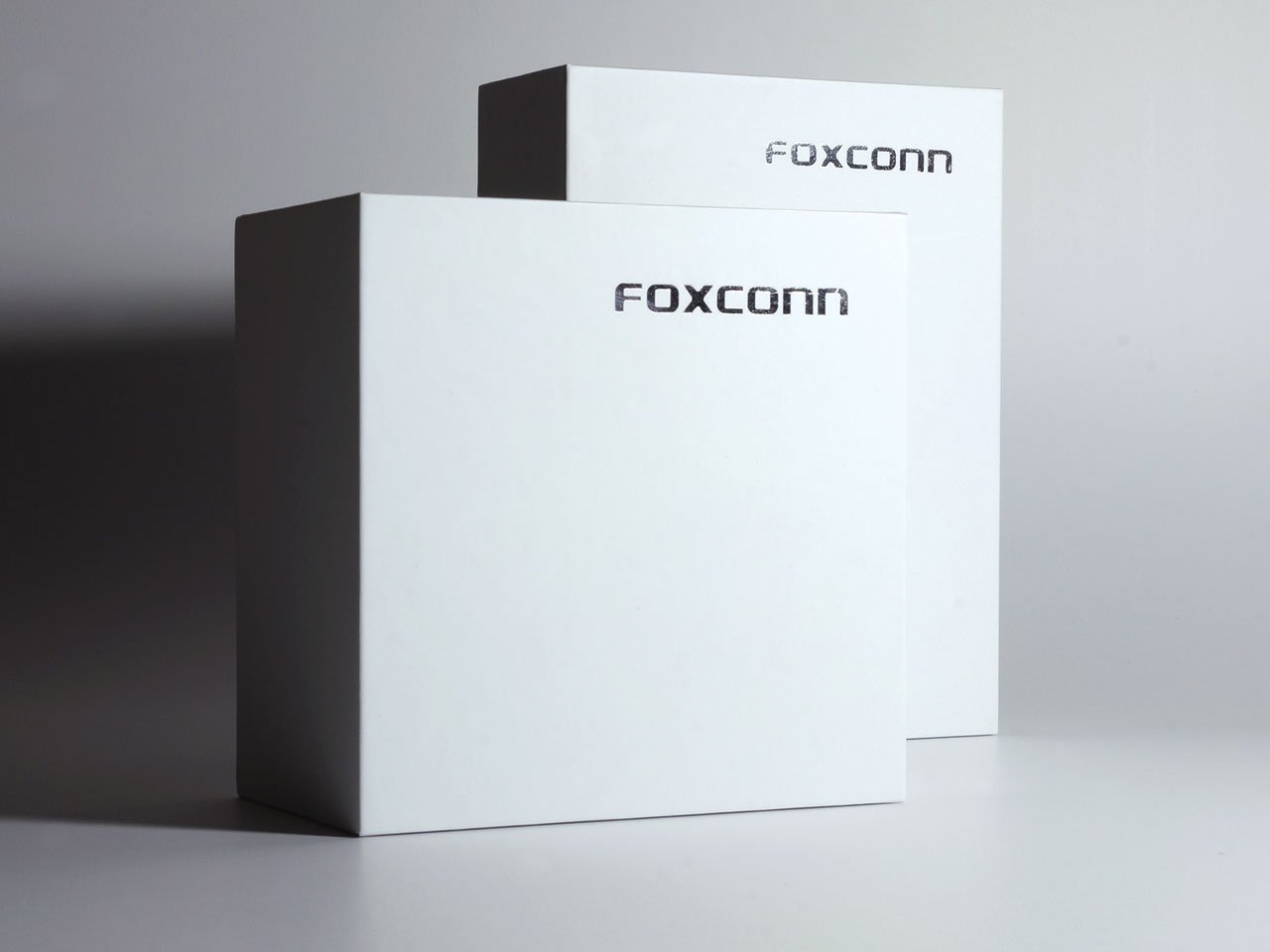
Packaging companies with access to a CAD machine can also produce white or proof samples. Expect shorter turnaround times and basic accuracy when it comes to look and dimensions. However, white samples can lack the structural integrity and crispness of fully-rendered product packaging.
Obviously, most companies order samples in order to view packaging before committing to a large order. Small changes to material, design, and colors can have myriad downstream effects from customer satisfaction to brand cohesion and cost-per-unit.
Sample packaging is also incredibly helpful if you are pitching your product to a new retailer. Big box stores like BJ’s and Costco and online marketplaces like Amazon all have strict requirements for product packaging. Not only will sleek packaging help you nail the pitch, many retailers won’t even consider your product if your packaging is non-compliant.
Sometimes, opportunities appear overnight and businesses need to act fast. The difference of a few days could mean scoring a new contract or losing potential business. Some printing and packaging companies can deliver eye-catching packaging samples in days, while others take two to three weeks. When shopping for package samples, make sure your supplier can turn around samples in a reasonable timeframe.
Types of Packaging Samples
Even with a remarkable product, many brands miss opportunities because their packaging fails to make a good impression. The right type of packaging may help entice customers with an engaging, visually-striking design that will convert buyers at the very first glance.
In addition to design, consider variables like cost, storage needs, distribution, and sustainability. Let’s consider the primary types of packaging samples so you can make an educated decision and choose the perfect sample package.
Sample Packages
Rigid boxes made from sturdy chipboard and their polished appearance is perfect for high-end luxury products. To achieve this unique look, chipboard is cut to size and wrapped in a thin layer of paper that can be easily printed with artwork.
The impressive tensile strength of chipboard makes it much more durable than cardboard or paperboard, meaning your products are much more likely to avoid damage in the shipping process.
The only potential downside to rigid boxes is that they ship fully formed so shipping and storage costs may be higher compared to other types of packaging. However, the unparalleled appearance of rigid boxes means that brands can usually charge more than enough to compensate for the increased shipping costs.
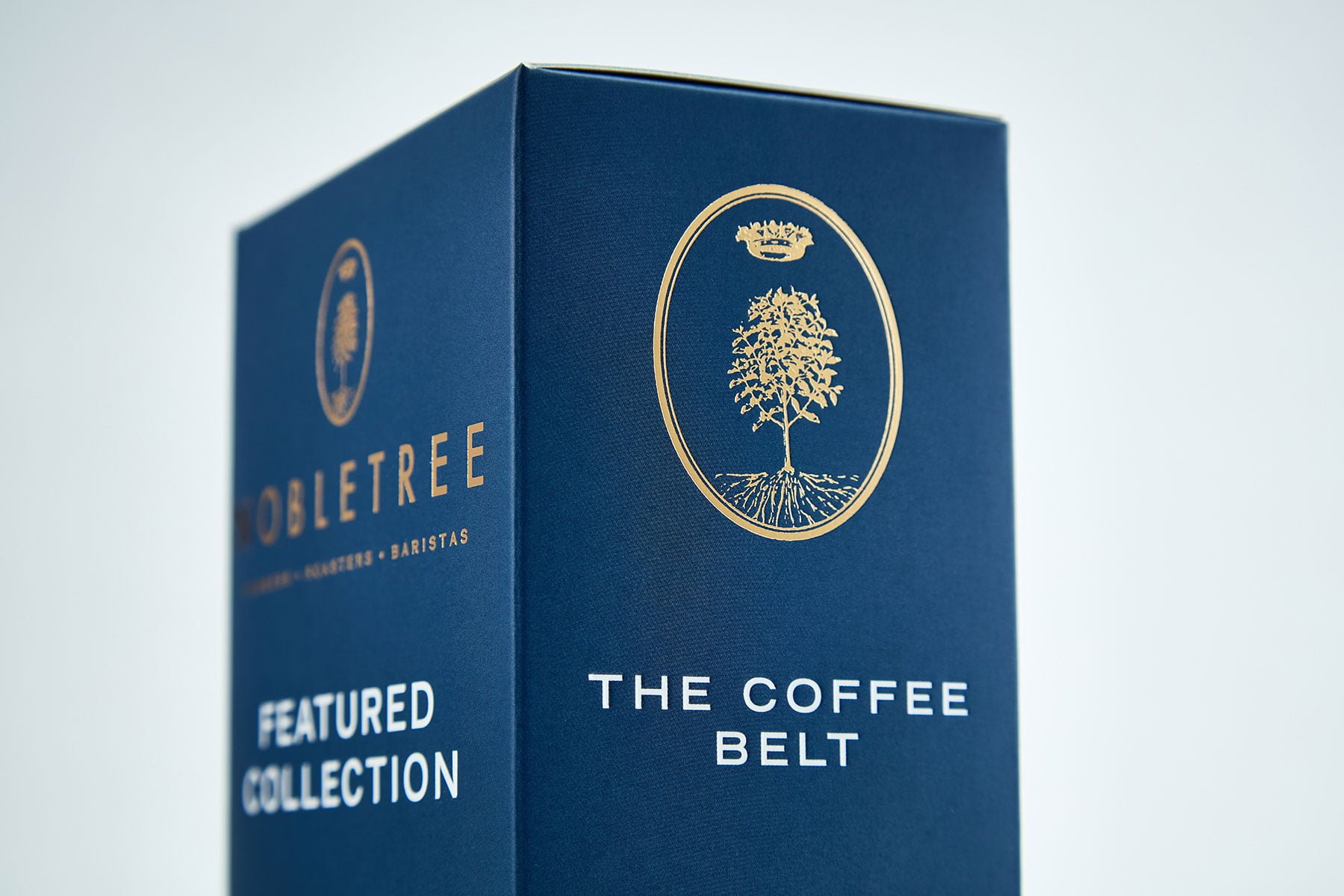
However, the unparalleled appearance of rigid boxes means that brands can usually charge more than enough to compensate for the increased shipping costs. With a durable exterior, you’re much less likely to take a loss on damaged merchandise and the boxes arrive fully assembled—which saves money on labor. Custom rigid boxes are a great fit if you sell high-end products like watches, jewelry, electronics, or cosmetics. With a durable exterior, you’re much less likely to take a loss on damaged merchandise. Since the boxes also arrive fully assembled, you will also likely save money on labor.
Short on time? Download the guide and read it later.
Sample Packages
Folding cartons are a simple paperboard material made from SBS or kraft paperboard. Many brands choose cost-effective folding cartons because the materials are inexpensive and suppliers can print directly onto the surface. Companies also save money on shipping and storage because folding cartons ship flat.
Although they don’t offer the same durability as rigid boxes, folding cartons work great if your products aren’t too fragile. You’ve seen folding cartons in the supermarket, protecting items like breakfast cereal and craft beer.
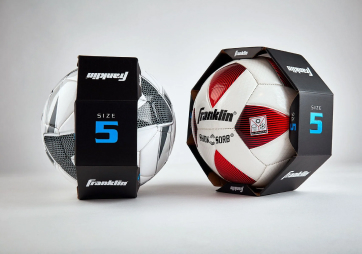
It’s also common to order recycled folding carton packaging. You can help prevent deforestation and create an eco-conscious image in the process. Consider getting a few different folding carton samples so you can fine-tune colors, logos, and overall design. It also never hurts to try a few different types of packaging to ensure you make the right choice.
Sample Packages
If you want to combine the durability of rigid boxes and the low cost of folding cartons, look no further than litholam corrugate. Using three layers of cardboard—two exterior layers and one fluted middle layer—corrugated cardboard is so durable it has become the go-to material for many packaging categories.
While some companies print directly onto litholam corrugate, this method tends to appear less polished than printing on a sheet of paper affixed to the outside layer of the corrugate.
By printing on paper first, the end result provides a dynamic design and durability that has become the go-to option for e-commerce.
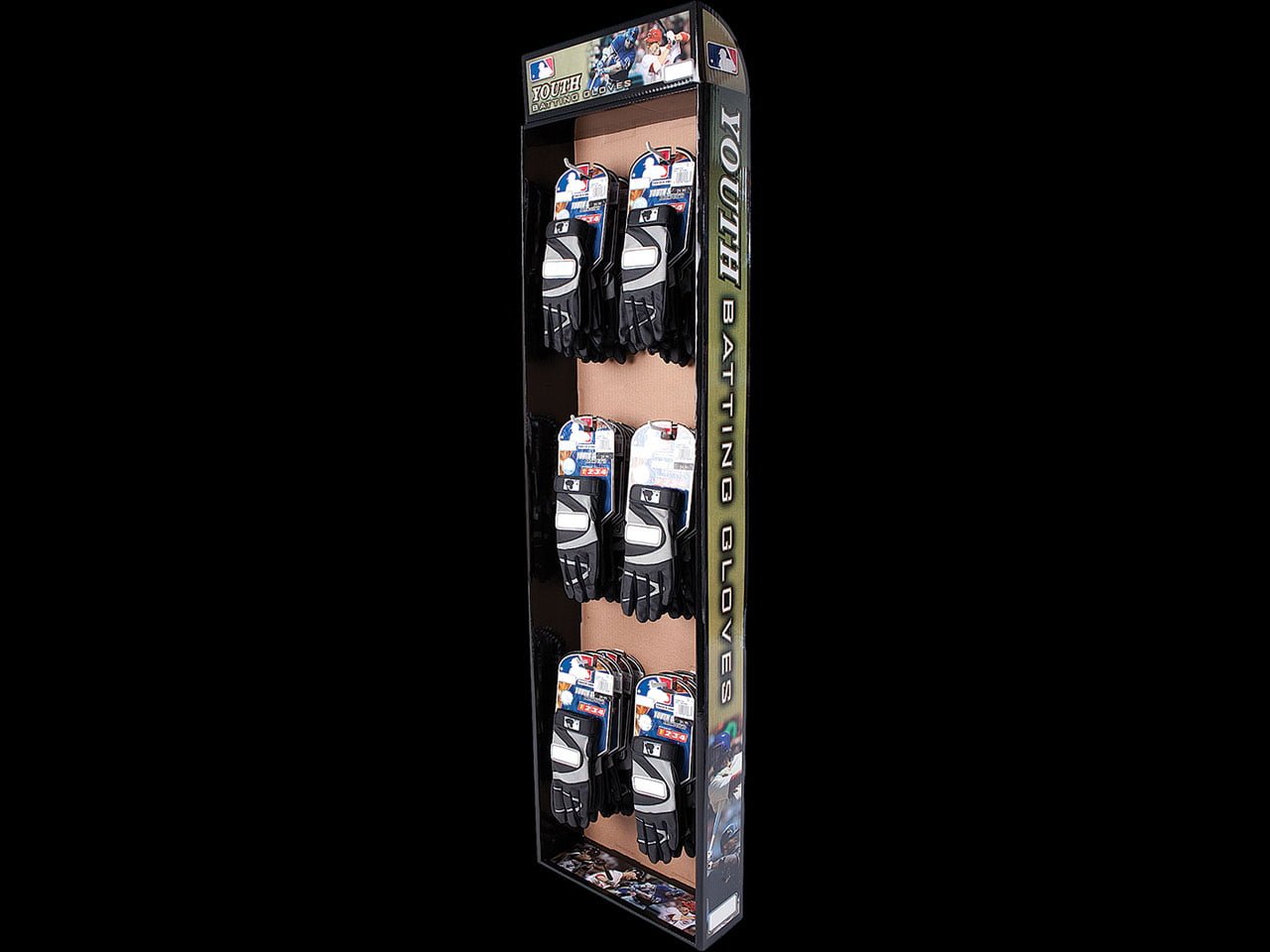
Not only can corrugated material withstand drops and impacts—it also performs well with increased moisture and sharp changes in temperature. Because it ships flat, litholam corrugate is one of the most cost-effective types of packaging when it comes to shipping and storage. Its relatively light weight makes it a good choice for bulk orders as well.
Using full-color graphic artwork helps your product jump off the shelf, making litholam corrugate a great option for merchandise like home electronics and cosmetics. Many brands lower their carbon footprint by opting for recycled corrugated cardboard. If you choose a recycled variety, be sure to communicate this to your customers, who are often happy to spend more on sustainable products.
Sample Packages
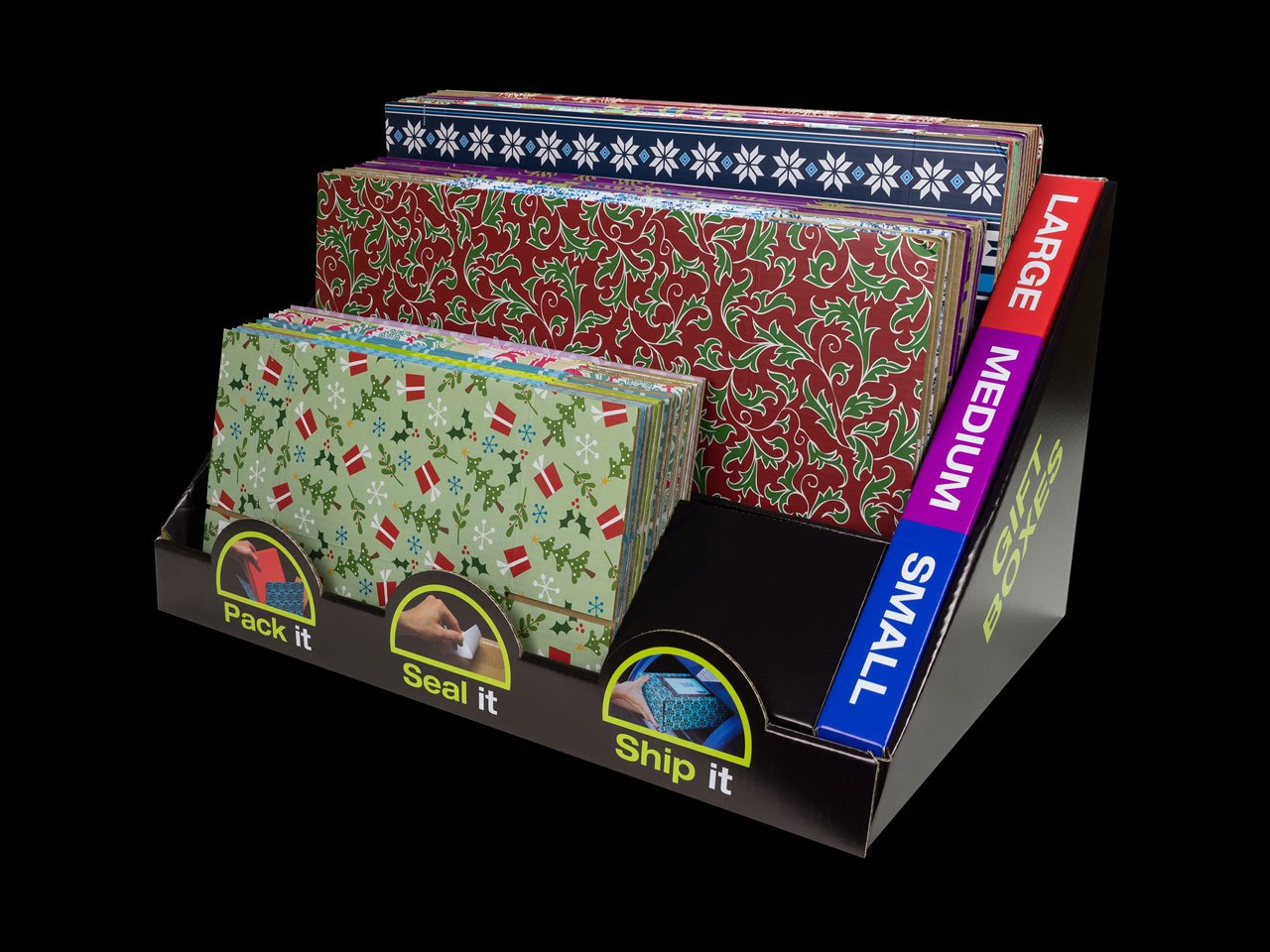
Exhibit your products proudly with stunning display packaging.
If you sell large volumes of products, operate wholesale markets, or work with big box stores like Costco, display packaging is a great option.
Display packaging is made from a variety of materials, but corrugated cardboard is usually the main component. That means you get all of the durability and aesthetic excellence of litholam corrugate—all while selling multiple units of your product.
Think of display packaging as a small exhibition for your brand. Be sure to curate your design, logo, and overall brand image so that consumers buy your product and leave the store with a sense of your values.
Sample Packages
You’ve seen point-of-purchase displays (or POP displays) at local supermarkets and retail shops. POP displays are standalone units that draw attention to a number of products and give an overall idea of what a brand has to offer.
Think of point of purchase displays as packaging and marketing rolled into one. A quality display can create mental links between different products and help your business stand out in a crowded marketplace.
If customers enjoy one of your products, they may be more likely to purchase another item when they see your full display.
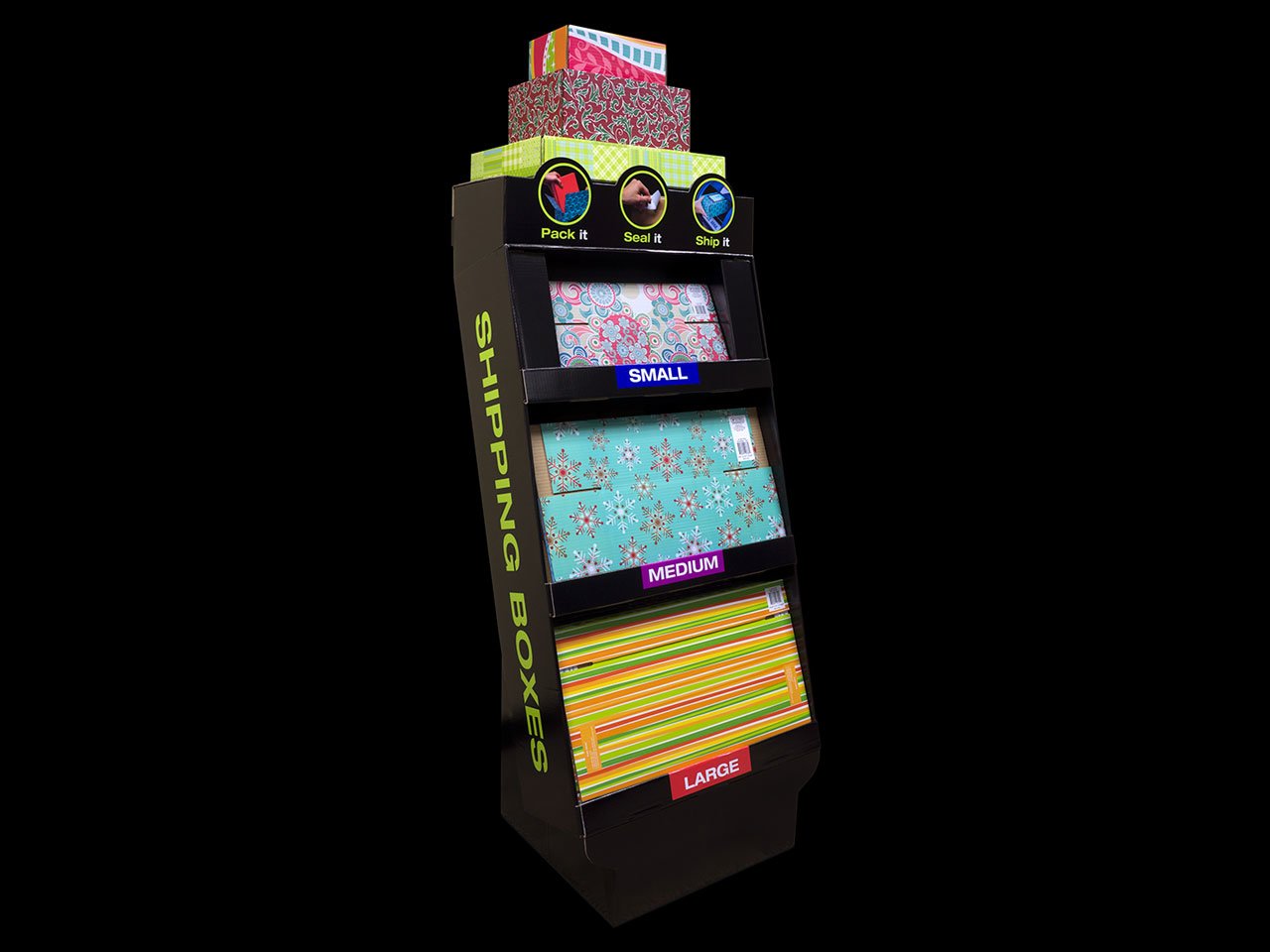
Showcase numerous products with a floor display or exhibit smaller items, like jewelry, with a countertop display. POP displays ship flat and can serve as semi-permanent fixtures or they’re easy to transport if you sell at rotating shops, farmer’s markets, or bazaars.
Sample Packages
Rounding out the various types of packaging displays is PDQ packaging. PDQ stands for “pretty darn quick” and as the name implies, it’s easy to set up and break down for virtually any setting.
PDQ packaging can be quickly shipped and ready to go out of the box. Just unfold the litholam corrugate box and begin selling your merchandise wherever you are. Consider using PDQ packaging if your business frequents farmer’s markets, bazaars, or even convenience stores.
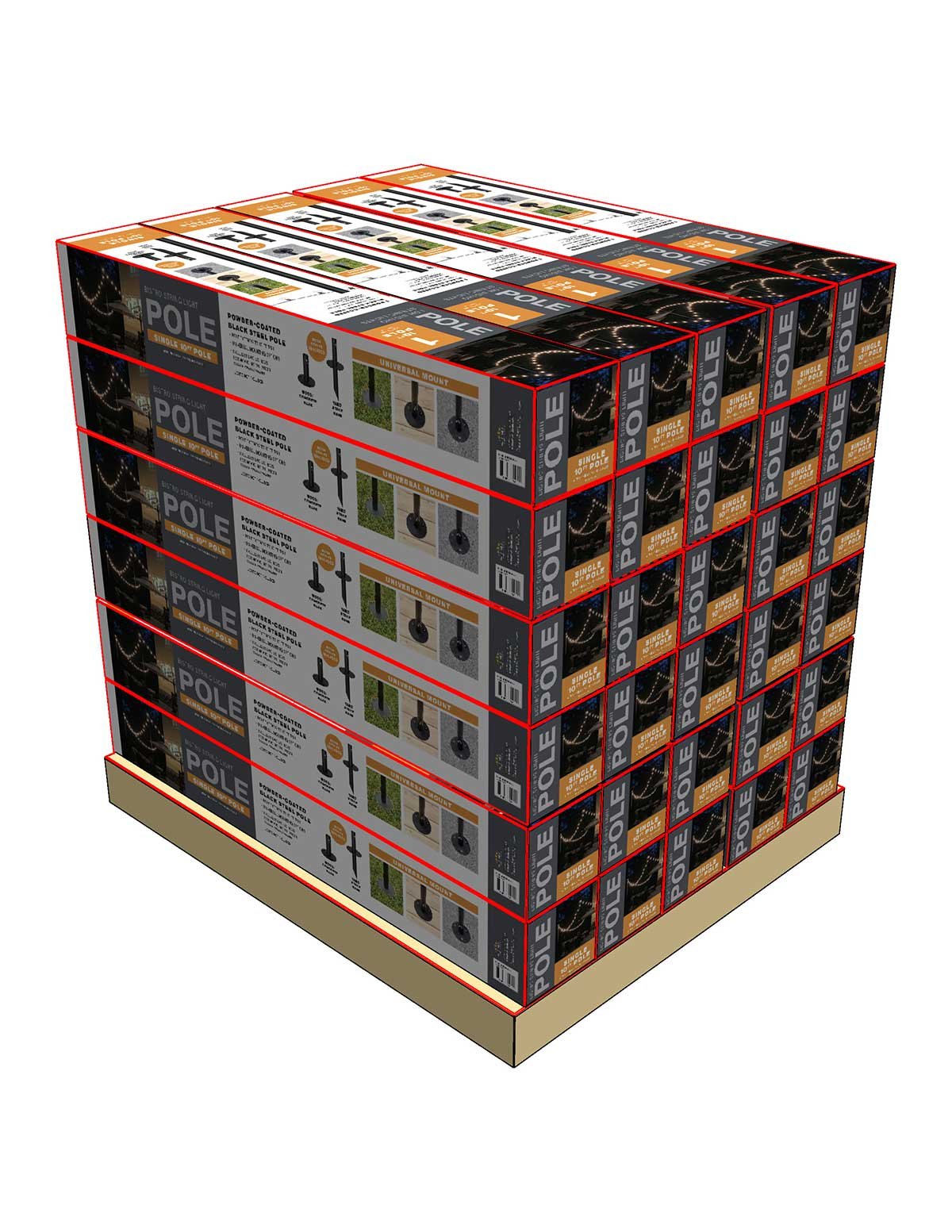
Everything from chewing gum to chapstick and playing cards is well-suited for PDQ packaging.
Place your display on any counter, where your design will entice customers as they’re checking out. Maximize efficiency by arranging your top-selling products all in one place. With a thoughtful design, you can convert potential buyers in a matter of seconds and encourage long-term buying habits.
Planning a Packaging Sample
Every business has unique needs and there’s no “one size fits all” approach to planning a packaging sample. But there are good rules of thumb to consider before committing to an order of sample packages.
First, it’s imperative to find a qualified packaging company and schedule a phone consultation. Explain your needs and provide context about your products and overarching goals. After getting a sense of your brand, the packaging company will provide a quote and timeline for your packaging samples. If you partner with a professional supplier, you can expect a factory sample in 2-3 weeks and a white sample in just a few days.
Sample Packages
Afterward, send digital copies of your logo and any other artwork you’d like to include in your design. If you don’t have any pre-existing artwork or you want to overhaul your image, a quality printing company can work with you to find the perfect artwork. An in-house design team is a great resource that offers continuous support with art, colors, placement, and any other aesthetic concerns.
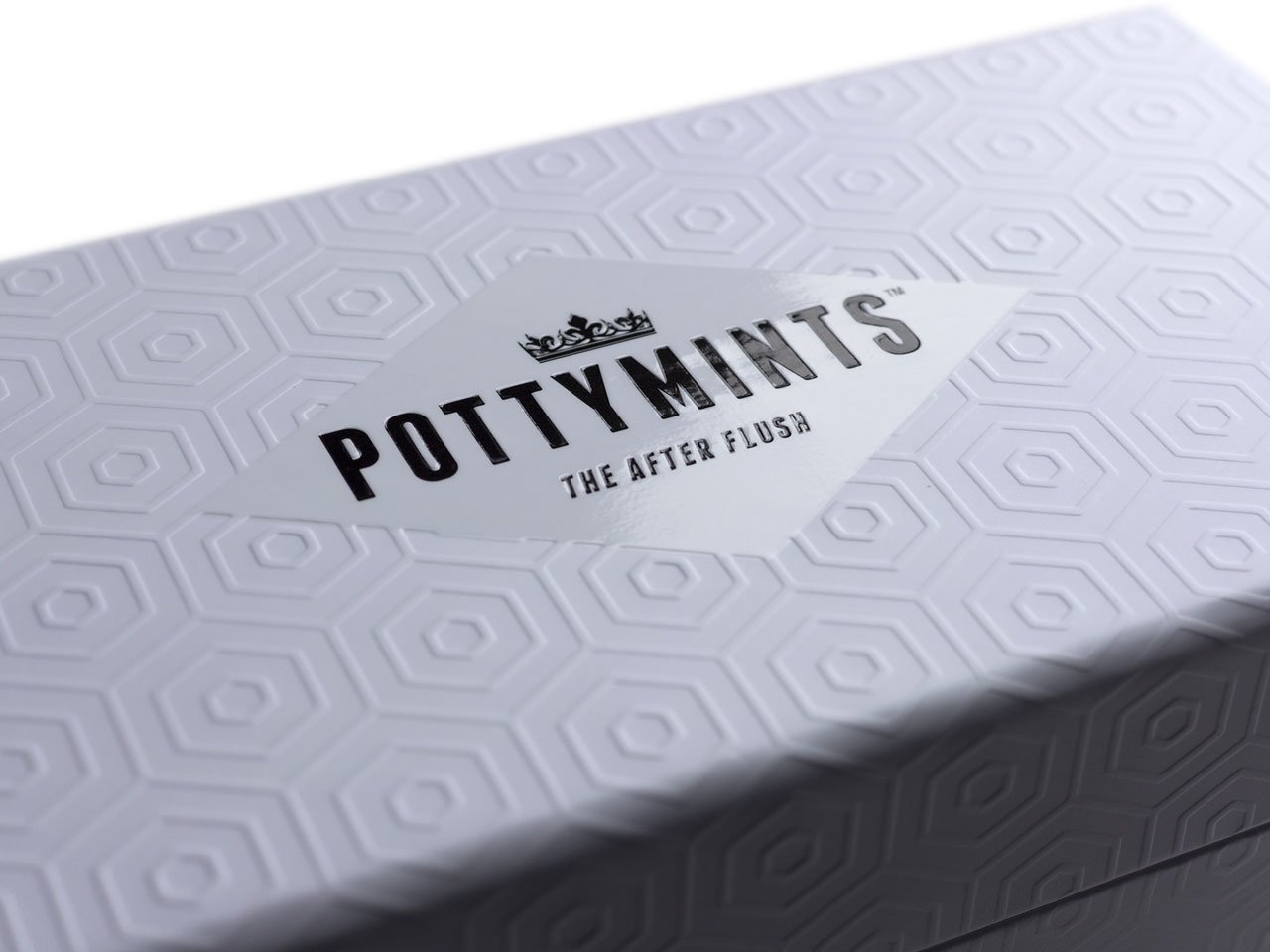
Work with the design team to match your exact dielines and dimensions. In case you don’t already know, dielines serve as a packaging template and create the layout for any printed product. They are an essential blueprint that shows exactly where packages should be cut and folded while packaging is still in its flattened form.
At this point, the design is printed directly onto the packing material. With the help of an in-house computer-assisted drawing (CAD) table, packaging professionals will cut your packages with far more precision than hand-cutting. CAD design works like a 3D printer, but with pre-existing materials. CAD machines take human error out of the equation while incorporating all of the human ingenuity the design team has to offer.
Look for a company with an in-house CAD machine, because they can usually turn around samples much faster than competitors. With your quality sample fully rendered, the packaging company will assemble your order and deliver it in a matter of days, depending on your location. If you’re thrilled with the final product, consider a full order. If you have lingering questions, work with the company to fine-tune your sample package and ensure all parties are happy with the result.
Remember that you can approach a packaging company with a fully-formed concept, a loose idea, or anything in between. Make sure they offer in-house design and printing services. If they rely on third parties for design and printing, expect your wait time to grow for each step in the process.
Hiring the wrong packaging company might cost you new clients, return customers, and sales. That’s why it pays to do your research and find an experienced sample packaging company and start the process on the right foot.
Packaging Box Designs: Two Best Practices
Remember that time spent in the design phase will pay dividends down the road. Keep these best practices in mind with your packaging box designs.
Sample Packages
Be sure to partner with a packaging company with both an in-house design team and a structural engineer. Aesthetics are extremely important but exterior design doesn't matter if your packaging doesn’t hold up under stress.
Structural engineers can test various materials to help you save money on cost-per-unit. For example, if you hit a supply chain snag with a certain material, structural engineers can source another material with similar properties.
Some companies offer packaging box design assistance but when the packages actually arrive, customers find that they don’t actually fit their product. Structural engineers and designers should work together to guarantee packaging is eye-catching, durable, and cost-effective.
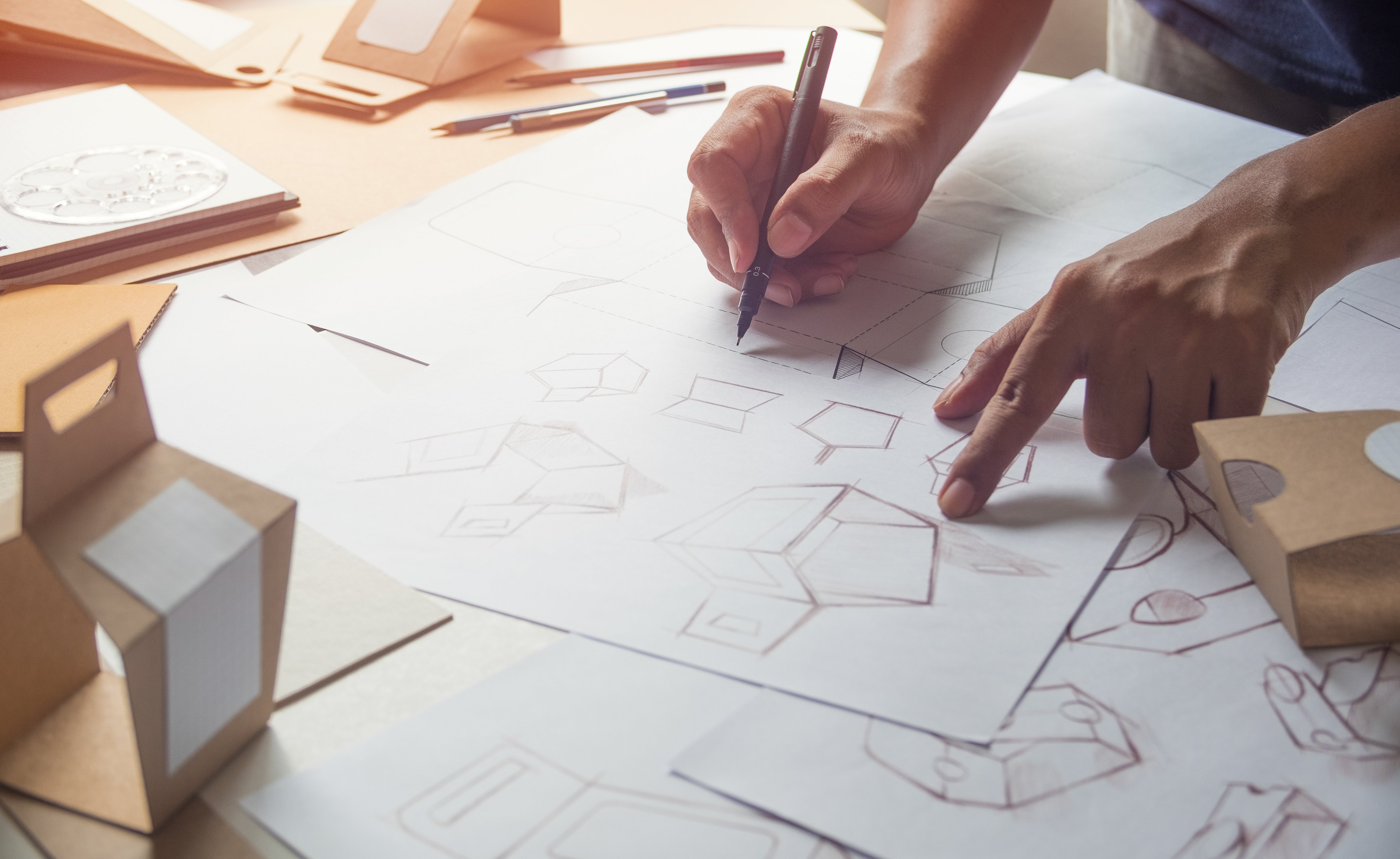
Get a Real Factory Sample
White samples and digital printed samples are great if you just need a general idea of your final product—but for accuracy and peace of mind, it’s worth investing in a factory sample.
When you’ve locked in your packaging box design and materials with the supplier, order a pre-production sample made on the same printing press and machinery that your first order will come from. By starting with a small run, you can avoid costly surprises and imperfections on a big order.
Due to labor costs, many U.S.-based printers offer factory samples at exorbitant prices. Look for a company with an in-house design team, package engineering team, CAD capabilities, and cost-competitive factory samples.
Creating a Packaging Mockup
Think of a packaging mockup as a sample of a sample. Although it may be crude and unfinished, a packaging mockup will give your teams a general sense of your sample before you order a pre-production run. Many packaging options like POP displays and rigid boxes are designed on the computer before your sample package is physically printed.
Sample Packages
A packaging mockup is a design file turned into a physical package and it provides a cursory sense of proportions, size, and surface area. You can share mockups with your marketing team and get real-time feedback before moving on to the next step. If you work with any creative agencies or outside vendors, it’s important to get their thoughts as well.
You can also use packaging mockups for industry events, tradeshows, or even informal pitches. Seeing products with some form of packaging gives the appearance of professionalism and proves that you are almost shelf-ready. Packaging mockups are an attractive visual aid that serves as a conversation starter for potential buyers or even potential investors.
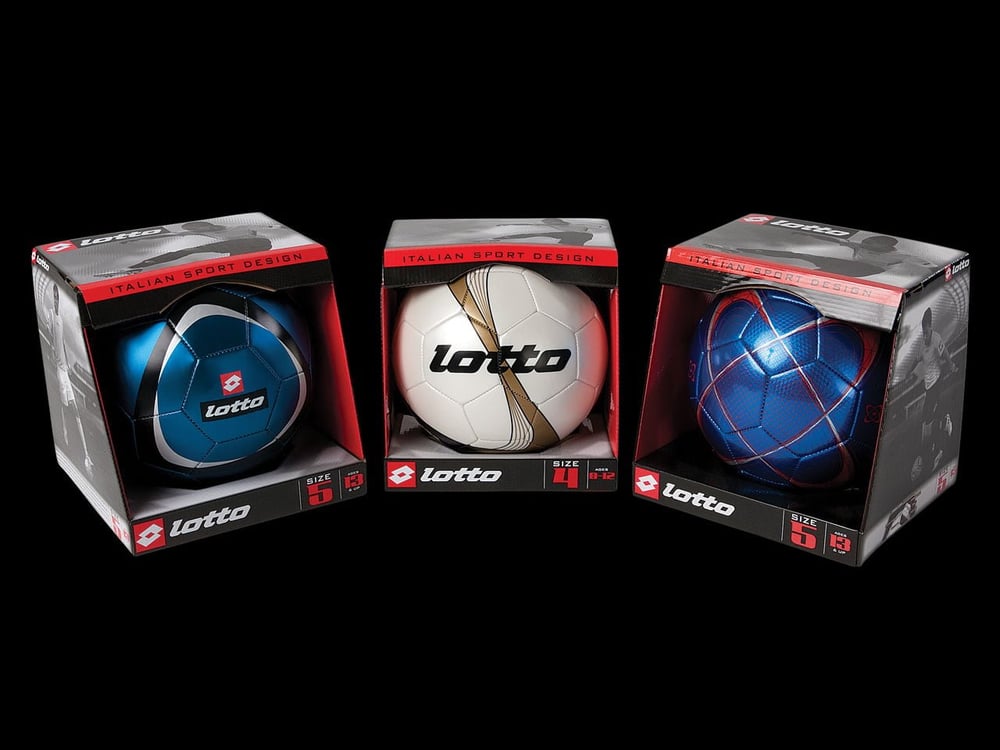
You’ll need a factory sample before you commit to a full production run, but a packaging mockup is a helpful first step in the process.
Choosing Packaging Materials
First and foremost, you’ll want to carefully consider your industry, product, and key demographics before you decide on a package material. For example, if you sell jewelry, cosmetics, or high-end food products, you should probably opt for a custom rigid box, rather than plain brown cardboard.
Litholam corrugate is a good option if you need to stand out on a crowded shelf. It’s also perfect for products that are too large for standard carton boxes like baby strollers, work tools, and furniture.

Of course, cost is the most important consideration for many companies. Small changes in material can change the cost-per-unit by a couple of cents, which adds up exponentially when you order a full production run.
Glass and natural fibers top the list of the most expensive materials, but they can be worth it if you sell luxury products with a high-end brand image. Glass is also very breakable so you may lose merchandise if it is not shipped correctly. Food-grade cardboard is the go-to package substrate for many companies because of its low costs, endurance, and design opportunities.
Bear in mind that 88% of consumers consider a product’s sustainability before making a purchase. If you want to project an eco-conscious brand image, consider using recycled materials to lower your carbon footprint. This is common for outdoor, cannabis, and tech companies.
When in doubt about eco-friendly packaging materials, choose paper and cardboard over plastic, because plastic is much more difficult to recycle. It’s also vital to consider the weight of your packaging because lower weight leads to better mileage for transportation. Find a packaging company that matches your passion for sustainability and offers a variety of recycled and recyclable options.
Sample Packages
The last major consideration is design and branding. No matter where you sell your product, it makes sense to invest in an impressive design. Certain package substrates, like litholam corrugate, lend themselves to artwork. Other materials, like clamshell plastic, serve a utilitarian purpose but aren’t likely to win any beauty contests.
Regardless of your needs, it’s crucial to enlist a packaging company that can walk you through the pros and cons of various materials and determine the perfect option for your brand. Many variables are changing in real-time due to fluctuations in the supply chain.
For example, one country could raise tariffs on a certain material, raising the price exponentially. A qualified printing company will help you ride out these hiccups and adapt your packaging to save costs. You’ll thank yourself down the road when you avoid an expensive markup on packaging materials.
Finishing the Sample Package
Whether you are a startup designing your very first product packaging, an established brand looking for a new look, or a growing company pitching to different retailers, it’s vital to spend time making your packaging shine.
A qualified packaging company will make the entire process seamless, with little room for error. Wherever you’re at in the process, be sure to schedule a call, talk through your needs, and order a mockup or white sample. After fine-tuning this sample, you can order a factory sample and make final decisions on materials, dimensions, and design.
Armed with a wealth of knowledge and high-quality samples, your team can make an informed decision about your package design. Watch as your products fly off the shelves and consumers respond to your striking packaging with repeat purchases and brand loyalty.